
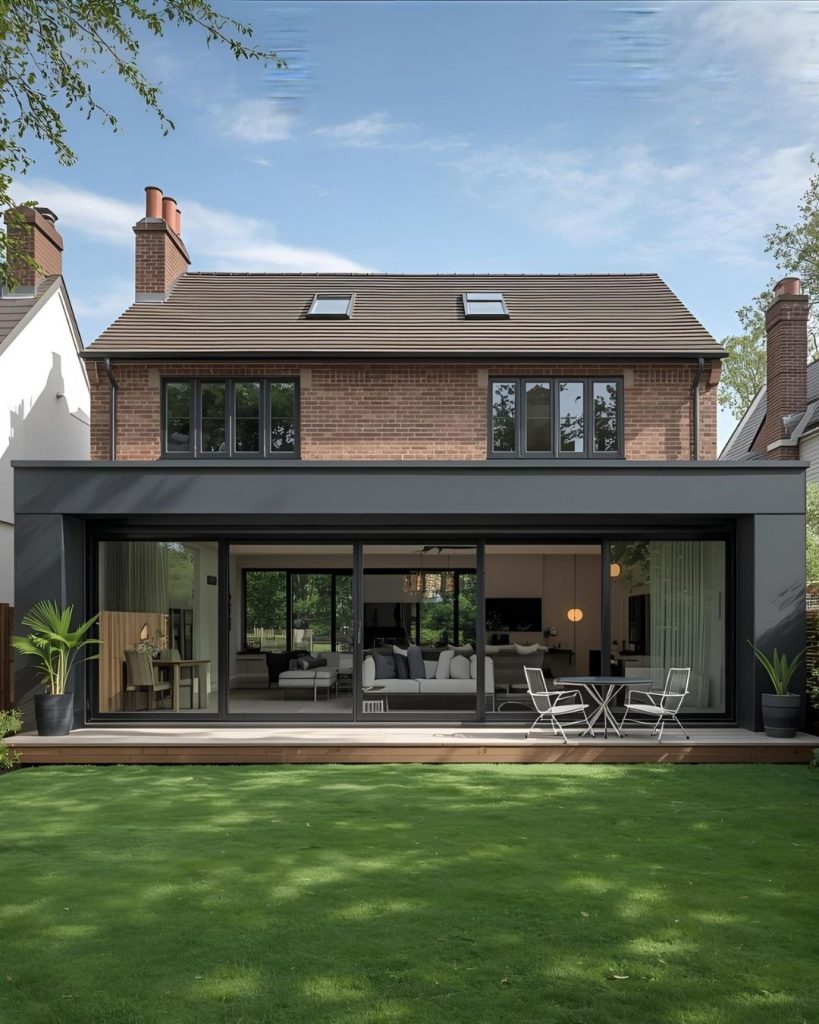
House Extensions in Luton: A Complete Homeowner Guide
House extensions are one of the most popular home improvement projects across Luton and the surrounding Bedfordshire area. With rising house prices and the cost of moving continuing to increase, many homeowners are choosing to extend rather than relocate.
From Stopsley and Wigmore to Caddington, Barton-le-Clay and Dunstable, extensions are helping families gain extra space, modernise layouts and improve how their homes work day to day. This guide explains everything you need to know before starting a house extension in Luton — from planning permission and costs to build times and design considerations.
Why House Extensions Are So Popular in Luton
Luton has a wide mix of property types, including Victorian terraces, semi-detached family homes and post-war developments. While many of these properties are solidly built, they were not designed for modern lifestyles that prioritise open-plan living, home working and flexible family space.
Homeowners choose to extend in order to:
- Add living space without moving
- Create larger kitchens or family rooms
- Add bedrooms or home offices
- Improve natural light and layout
- Increase property value
For many households, extending is far more cost-effective than moving once stamp duty, legal fees and moving costs are taken into account.
Do You Need Planning Permission for an Extension in Luton?
Many house extensions fall under permitted development (PD) rights, meaning planning permission may not be required — provided certain size and design criteria are met.
In general, permitted development may apply if:
- The extension stays within height and depth limits
- It does not significantly impact neighbouring properties
- Materials are similar to the existing house
- The property is not listed or in a conservation area
Planning permission is usually required for:
- Larger or double-storey extensions
- Flats or maisonettes
- Listed buildings
- Properties in restricted areas
 Reference:
UK Government – Planning Permission & Permitted Development
https://www.gov.uk/planning-permission-england-wales
A local builder will assess your property early on and advise whether a full planning application is required.
How Much Does a House Extension Cost in Luton?
Extension costs vary depending on size, design, specification and ground conditions. As a general guide for Luton:
- Single-storey extensions: £1,700–£2,400 per m²
- Double-storey extensions: £2,100–£2,900 per m²
- High-spec or complex builds: Higher ranges
Key cost factors include:
- Foundations and groundworks
- Structural steel (RSJs)
- Roofing and glazing
- Plumbing and electrical work
- Internal finishes and layout changes
A detailed, itemised quote is essential to understand exactly what’s included.
How Long Does a House Extension Take to Build?
Typical build times for extensions in Luton are:
- Single-storey extensions: 8–12 weeks
- Double-storey extensions: 12–16+ weeks
This does not include planning or design time. Weather, access and structural complexity can all affect timelines, so a clear build schedule is important.
Design Considerations for Luton Homes
Good extension design goes beyond adding square footage. Many Luton homeowners prioritise:
- Open-plan kitchen-diner layouts
- Improved natural light
- Better connection to the garden
- Energy efficiency
- Seamless integration with the existing house
Popular features include roof lanterns, skylights, bi-fold or sliding doors and well-planned storage solutions. These design choices improve everyday living and long-term resale appeal.
Building Regulations & Structural Compliance
All house extensions must comply with UK Building Regulations, which cover:
- Structural integrity
- Fire safety
- Insulation and energy efficiency
- Drainage and ventilation
Structural changes, such as removing load-bearing walls, require RSJ installation designed by a structural engineer and approved by building control.
Reference:
UK Building Regulations Approval
https://www.gov.uk/building-regulations-approval
A reputable builder will manage this process and ensure inspections are completed at the correct stages.
Why Choosing a Local Luton Builder Matters
Working with a local builder offers several advantages:
- Knowledge of local planning policies
- Familiarity with Luton property types
- Reliable local suppliers and trades
- Faster communication and site visits
- Accountability and local reputation
Using one builder to manage the entire project also avoids delays and miscommunication between multiple contractors.
Is a House Extension Worth It in Luton?
In most cases, yes. A professionally built extension can add 10–20% to a property’s value, depending on size, design and finish.
More importantly, it allows you to stay in the area you enjoy while creating a home that better suits your needs.
House extensions are one of the most popular home improvement projects across Luton and the surrounding Bedfordshire area. With rising house prices and the cost of moving continuing to increase, many homeowners are choosing to extend rather than relocate.
From Stopsley and Wigmore to Caddington, Barton-le-Clay and Dunstable, extensions are helping families gain extra space, modernise layouts and improve how their homes work day to day. This guide explains everything you need to know before starting a house extension in Luton — from planning permission and costs to build times and design considerations.
Why House Extensions Are So Popular in Luton
Luton has a wide mix of property types, including Victorian terraces, semi-detached family homes and post-war developments. While many of these properties are solidly built, they were not designed for modern lifestyles that prioritise open-plan living, home working and flexible family space.
Homeowners choose to extend in order to:
-
- Add living space without moving
-
- Create larger kitchens or family rooms
-
- Add bedrooms or home offices
-
- Improve natural light and layout
-
- Increase property value
For many households, extending is far more cost-effective than moving once stamp duty, legal fees and moving costs are taken into account.
Do You Need Planning Permission for an Extension in Luton?
Many house extensions fall under permitted development (PD) rights, meaning planning permission may not be required — provided certain size and design criteria are met.
In general, permitted development may apply if:
-
- The extension stays within height and depth limits
-
- It does not significantly impact neighbouring properties
-
- Materials are similar to the existing house
-
- The property is not listed or in a conservation area
Planning permission is usually required for:
-
- Larger or double-storey extensions
-
- Flats or maisonettes
-
- Listed buildings
-
- Properties in restricted areas
Reference:
UK Government – Planning Permission & Permitted Development
https://www.gov.uk/planning-permission-england-wales
A local builder will assess your property early on and advise whether a full planning application is required.
How Much Does a House Extension Cost in Luton?
Extension costs vary depending on size, design, specification and ground conditions. As a general guide for Luton:
-
- Single-storey extensions: £1,700–£2,400 per m²
-
- Double-storey extensions: £2,100–£2,900 per m²
-
- High-spec or complex builds: Higher ranges
Key cost factors include:
-
- Foundations and groundworks
-
- Structural steel (RSJs)
-
- Roofing and glazing
-
- Plumbing and electrical work
-
- Internal finishes and layout changes
A detailed, itemised quote is essential to understand exactly what’s included.
How Long Does a House Extension Take to Build?
Typical build times for extensions in Luton are:
-
- Single-storey extensions: 8–12 weeks
-
- Double-storey extensions: 12–16+ weeks
This does not include planning or design time. Weather, access and structural complexity can all affect timelines, so a clear build schedule is important.
Design Considerations for Luton Homes
Good extension design goes beyond adding square footage. Many Luton homeowners prioritise:
-
- Open-plan kitchen-diner layouts
-
- Improved natural light
-
- Better connection to the garden
-
- Energy efficiency
-
- Seamless integration with the existing house
Popular features include roof lanterns, skylights, bi-fold or sliding doors and well-planned storage solutions. These design choices improve everyday living and long-term resale appeal.
Building Regulations & Structural Compliance
All house extensions must comply with UK Building Regulations, which cover:
-
- Structural integrity
-
- Fire safety
-
- Insulation and energy efficiency
-
- Drainage and ventilation
Structural changes, such as removing load-bearing walls, require RSJ installation designed by a structural engineer and approved by building control.
Reference:
UK Building Regulations Approval
https://www.gov.uk/building-regulations-approval
A reputable builder will manage this process and ensure inspections are completed at the correct stages.
Why Choosing a Local Luton Builder Matters
Working with a local builder offers several advantages:
-
- Knowledge of local planning policies
-
- Familiarity with Luton property types
-
- Reliable local suppliers and trades
-
- Faster communication and site visits
-
- Accountability and local reputation
Using one builder to manage the entire project also avoids delays and miscommunication between multiple contractors.
Is a House Extension Worth It in Luton?
In most cases, yes. A professionally built extension can add 10–20% to a property’s value, depending on size, design and finish.
More importantly, it allows you to stay in the area you enjoy while creating a home that better suits your needs.