
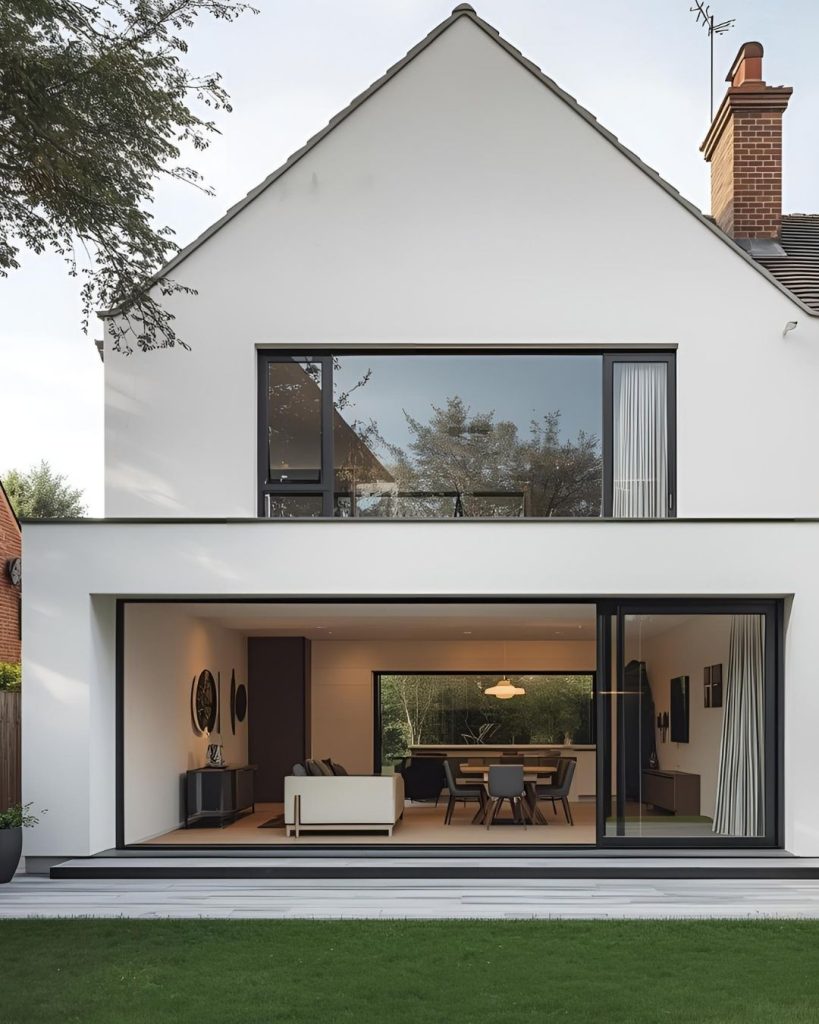
Renovating an Older Property in Luton: What Homeowners Need to Know
Luton is home to a wide variety of older and character properties, from Victorian and Edwardian houses to inter-war semis and traditional terraces. Across areas such as Stopsley, Wigmore, Bushmead and the surrounding neighbourhoods of Luton, many homeowners are choosing to renovate rather than move.
Renovating an older property can be extremely rewarding, but it also comes with challenges that modern homes don’t present. This guide explains what Luton homeowners need to know before renovating an older property, including common issues, planning considerations, typical costs and how to approach a renovation project successfully in 2025.
Why Renovating Older Homes Is Popular in Luton
Many homeowners in Luton choose renovation because:
- Older homes offer character and period features
- Room sizes and plot layouts are often generous
- Renovation can significantly increase property value
- Moving costs and stamp duty can be avoided
- Modernising an existing home allows you to stay in a familiar area
With strong demand for family homes in Luton, renovating is often seen as a smart long-term investment.
Common Issues Found in Older Luton Properties
1. Outdated Layouts
Older homes were not designed for modern living and often include:
- Small or narrow kitchens
- Separate dining rooms
- Limited storage
- Poor flow between rooms
Renovation projects frequently focus on opening up ground-floor layouts, creating open-plan kitchen and living spaces that better suit modern lifestyles.
2. Structural Wear and Age-Related Movement
Over time, older properties may develop:
- Cracks in brickwork or plaster
- Uneven floors
- Roof timber wear and a need for roof repairs
- Settlement movement
Before carrying out structural alterations, a professional assessment is essential to ensure the property is safe and suitable for changes.
3. Electrical Systems
Many older homes in Luton still have:
- Outdated wiring
- Old fuse boards
- Limited sockets
- Inadequate earthing
Electrical upgrades or full rewiring are often required to meet current safety standards and Building Regulations.
4. Plumbing and Heating
Older plumbing systems may include:
- Aging pipework
- Inefficient boilers
- Poor water pressure
Renovations often involve upgrading plumbing systems, installing modern boilers and improving overall heating efficiency.
5. Insulation and Energy Efficiency
Period and older homes were built before modern insulation standards, leading to:
- Heat loss
- Cold rooms and draughts
- Higher energy bills
Upgrading insulation, glazing and heating systems can dramatically improve comfort and reduce long-term running costs.
Popular Renovation Projects in Luton
Open-Plan Kitchen Renovations
One of the most popular upgrades involves:
- Removing internal walls
- Installing steel beams (RSJs)
- Creating open kitchen-dining spaces
- Improving natural light
These changes modernise older homes while retaining their original character.
Extensions to Older Properties
Extensions are often used to:
- Increase kitchen or living space
- Add utility rooms
- Improve ground-floor layouts
Careful design ensures extensions complement the original property rather than overpower it.
Many older Luton homes have generous roof space, making loft conversions ideal for:
- Additional bedrooms
- Home offices
- En-suite bathrooms
Loft conversions add valuable space without increasing the footprint of the property.
Full Renovations & Refurbishments
For properties in need of significant work, full renovations may include:
- Structural alterations
- Electrical and plumbing upgrades
- New layouts
- Improved insulation and finishes
These projects can completely transform older homes into modern, comfortable living spaces.
Planning Permission & Conservation Considerations
Some older properties in Luton may be:
- Located in conservation areas
- Subject to design restrictions
- Close to listed buildings
Planning permission may be required for:
- House Extensions
- External alterations
- Structural changes that affect appearance
Even where planning permission is not required, Building Regulations approval is always necessary.
How Much Does Renovating an Older Property Cost in Luton?
Renovation costs vary depending on condition and scope, but typical ranges include:
- Kitchen renovation: £15,000 – £35,000+
- Bathroom renovation: £6,000 – £15,000+
- Full property renovation: £40,000 – £100,000+
- Extensions or loft conversions: additional costs depending on size and complexity
A detailed survey and clear specification help avoid unexpected costs.
Challenges to Prepare For
Renovating an older property can uncover:
- Hidden structural problems
- Damp or timber decay
- Outdated materials that need replacement
Allowing a contingency of 10–15% in your budget and programme is highly recommended.
Why Use a Local Luton Builder for Older Property Renovations?
A local builder understands:
- Traditional construction methods
- Local planning expectations
- Common issues in Luton’s housing stock
- How to modernise properties while preserving character
Local experience helps ensure your renovation is completed correctly, safely and to a high standard.
Final Thoughts
Renovating an older property in Luton is a rewarding way to improve comfort, functionality and long-term value while preserving the character that makes these homes so appealing. With careful planning and professional guidance, older homes can be transformed into modern living spaces without losing their charm.
Whether you’re updating a Victorian terrace, extending a family home or undertaking a full refurbishment, expert local advice is key to achieving a successful renovation in 2025.